

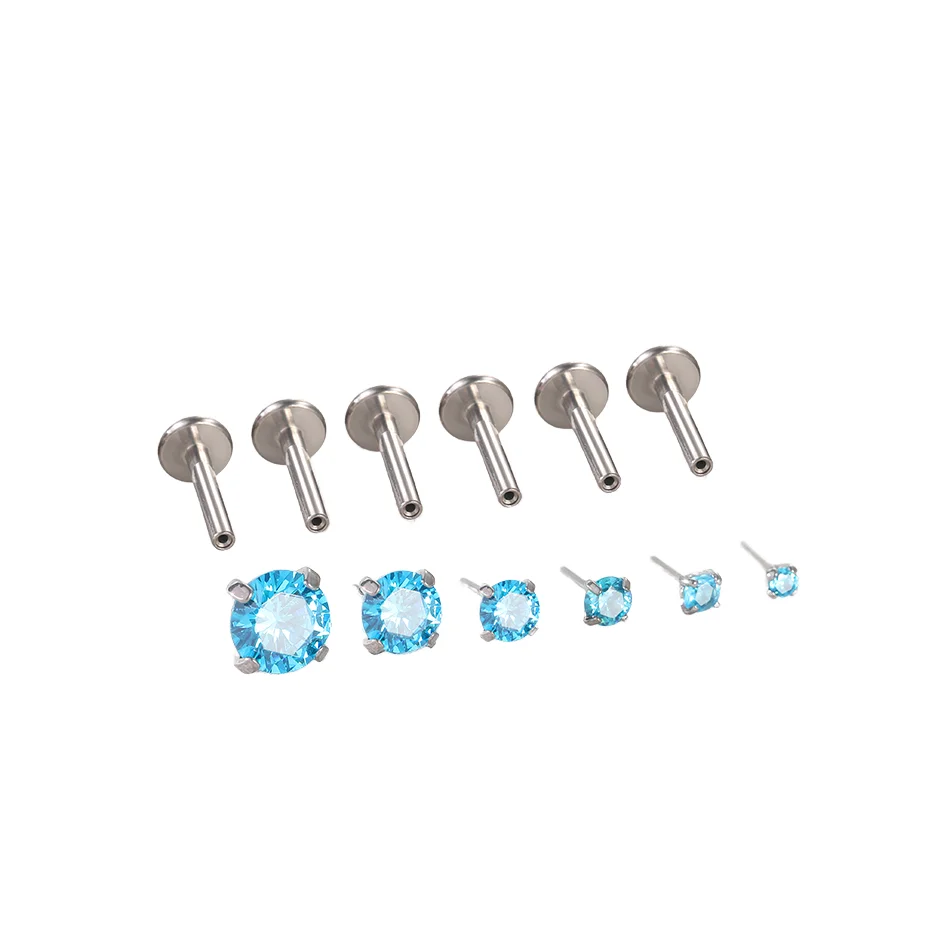
For studios, distributors, and private-label brands, the buying decision rarely depends on price alone. A serious wholesale buyer needs clear product photos, accurate specifications, and realistic samples before committing to repeat orders. This is especially true for body jewelry, where small details such as gauge, length, stone setting, surface finish, and packaging can change how a product performs in a professional retail or studio environment.
PSS works with B2B buyers sourcing ASTM-F136 titanium, 316L stainless steel, waterproof 316L, 14K gold, 925 silver, and OEM/ODM piercing jewelry. The strongest buyers do not ask only for a catalog. They ask for the information needed to compare products fairly, reduce sampling mistakes, and plan reorderable ranges. This guide explains what to request before placing a wholesale piercing jewelry order.
Why Photos, Specs, and Samples Belong Together
Product photos show style direction, but they do not prove size, construction, material, or finish consistency. Specifications explain the measurable details, but they cannot fully show how a stone setting, hinge, threadless pin, or polish looks in hand. Samples allow the buyer to check the product physically, but samples are easier to judge when they are matched against clear photos and written specs.
When these three pieces are requested together, both buyer and supplier work from the same reference point. The buyer can compare styles, confirm commercial fit, and prepare product listings. The supplier can quote more accurately and reduce later revisions. This saves time during bulk order planning and helps prevent confusion after the first shipment arrives.
Ask for Photos That Help You Sell and Check the Product
Wholesale buyers should ask for clean product photos that show the item clearly, not only lifestyle images or highly edited social media shots. Useful images include front views, side views, back views, clasp or hinge details, threadless pin details, stone setting close-ups, and finish comparisons. For styles with color options, request images that show the actual available colors instead of a single generic example.
For a studio, these photos help staff understand the range before ordering. For a distributor, they support catalog planning and product page preparation. For a private-label buyer, photos help decide whether the style matches the brand direction before spending time on packaging or custom presentation.
If you are building a professional range around ASTM-F136 titanium piercing jewelry, ask for images that show threadless ends, labret backs, clicker closures, barbell ends, and surface polish clearly. For waterproof 316L piercing jewelry, finish consistency and color presentation matter because buyers often plan retail displays around visual variety.
Request Specifications That Remove Guesswork
Specifications should be written clearly enough for purchasing, product listing, and warehouse sorting. At minimum, buyers should request material, gauge, bar length, inner diameter, ball or top size, stone size, plating or PVD finish, closure type, available colors, packing method, and SKU structure. If the product includes detachable tops, threadless pins, internally threaded parts, or hinged segments, ask how those parts are matched and sold.
A buyer planning 316L piercing jewelry wholesale may need wider commercial style options and bulk-friendly pricing. A buyer planning titanium labrets or clickers may need tighter size control and clearer technical descriptions. A buyer adding 14K solid gold piercing jewelry or 925 silver piercing jewelry should also check weight, finish, and premium packaging expectations.
Good specs also make reorders easier. If your first order performs well, you should be able to reorder the same gauge, length, color, and packaging without rebuilding the conversation from zero. This is one reason specification discipline matters more than a long but messy catalog.
Use Samples to Check Commercial Fit, Not Only Appearance
Samples are not only for checking whether a product looks pretty. They should help buyers decide whether the item fits their business model. A studio may inspect comfort, polish, closure feel, jewelry card presentation, and how the product sits in a display tray. A distributor may check whether the style can be packed, labeled, photographed, and repeated across multiple sizes. A private-label buyer may use samples to test packaging, barcode labels, product naming, and staff feedback.
Before requesting samples, separate the purpose. Are the samples for quality review, product photography, trade show display, internal training, website launch, or pre-order testing? A supplier can prepare a better sample set when the goal is clear. The PSS guide on preparing a piercing jewelry inquiry explains how this information also improves quotation accuracy.
Compare Samples Against the Future Bulk Order
A common sourcing mistake is approving one beautiful sample without confirming whether the bulk order will follow the same details. Ask whether the sample is from regular stock, a current production batch, or a custom-made development sample. Also ask which details may change in bulk production, including packaging, logo placement, size assortment, stone color, finish, or MOQ per style.
For OEM and ODM projects, the sample approval stage should create a shared reference for bulk production. Keep notes on the approved material, dimensions, finish, color, packaging, and any changes requested after sample review. This keeps the project organized and supports smoother repeat orders later. Buyers developing custom lines can also review the article on OEM piercing jewelry manufacturing for a broader workflow view.
Ask for Packing and Labeling Details Early
Packing is easy to overlook during early sourcing, but it affects labor cost, receiving speed, and product presentation. Ask whether items are packed individually or in bulk, whether each size or color can be labeled separately, and whether SKU stickers, barcodes, logo cards, or retail cards are available. For distributors, packing accuracy may matter as much as product appearance because warehouse sorting errors create real costs.
Private-label buyers should also ask whether packaging can be upgraded gradually. Many brands start with simple labeled bags or cards, then move toward custom packaging after the product line proves demand. The PSS guide on private label piercing jewelry planning gives more detail on this staged approach.
Build a Short Approval Checklist
Before moving from sample to bulk order, create a simple checklist. Confirm that product photos match the selected style, specs match the quoted product, samples match the intended material and finish, packaging is acceptable, quantities are clear, and reorder details are recorded. If the product will become a core SKU, ask whether the supplier can support repeat supply and consistent packing over time.
This checklist does not need to be complicated. It simply gives the purchasing team a disciplined way to approve products and reduce avoidable mistakes. It also helps when comparing several suppliers, because each quotation and sample set can be measured against the same requirements.
Better Inputs Create Better Wholesale Orders
Clear photos, complete specifications, and purposeful samples make wholesale piercing jewelry sourcing more predictable. They help buyers understand what they are ordering, help suppliers quote with fewer assumptions, and support better product pages, cleaner receiving, and smoother reorders.
If you are preparing a new wholesale body jewelry range, OEM project, or private-label collection, contact PSS with your target materials, product types, photo needs, specification requirements, and sample goals. Our team can help organize a practical sourcing plan across titanium, 316L, waterproof 316L, 14K gold, 925 silver, and OEM/ODM piercing jewelry.
