
OEM piercing jewelry manufacturing becomes valuable when a buyer needs more than a standard catalog order. A piercing studio may want a signature titanium flat back line. A distributor may need exclusive colors, gauges, packaging, or assortment sets. A private-label brand may need a supplier that can turn a visual concept into samples, production specs, and repeatable replenishment. In each case, the goal is not only to make one attractive piece. The goal is to create a product that can be approved, sold, reordered, and expanded without losing control of material, size, finish, or packaging details.
At PSS, OEM conversations often start with inspiration photos or a short list of target styles. That is normal, but professional buyers get better results when the inquiry quickly moves from inspiration to specification. The more clearly a buyer defines the product role, material tier, target customer, and expected repeat demand, the easier it is for an OEM piercing jewelry manufacturer to support the project in a commercially useful way.
Start With a Commercial Product Brief
A good OEM project begins before drawings, molds, or samples. The buyer should explain what the product is expected to do in the assortment. Is it a core studio basic, a premium upgrade, a seasonal style, a distributor exclusive, or a private-label launch item? A core style needs tighter repeatability. A seasonal design can allow more limited production. A premium style may need extra attention to stone setting, polish, packaging, and product photography.
The brief should include target category, customer type, material, gauge, wearable length, finish, decoration, quantity range, packaging need, and target launch date. Buyers can use the PSS wholesale piercing jewelry shop as a reference library, then mark what should stay standard and what needs custom development. This makes the first quotation more useful and reduces rounds of guesswork.
Choose the Material Tier Early
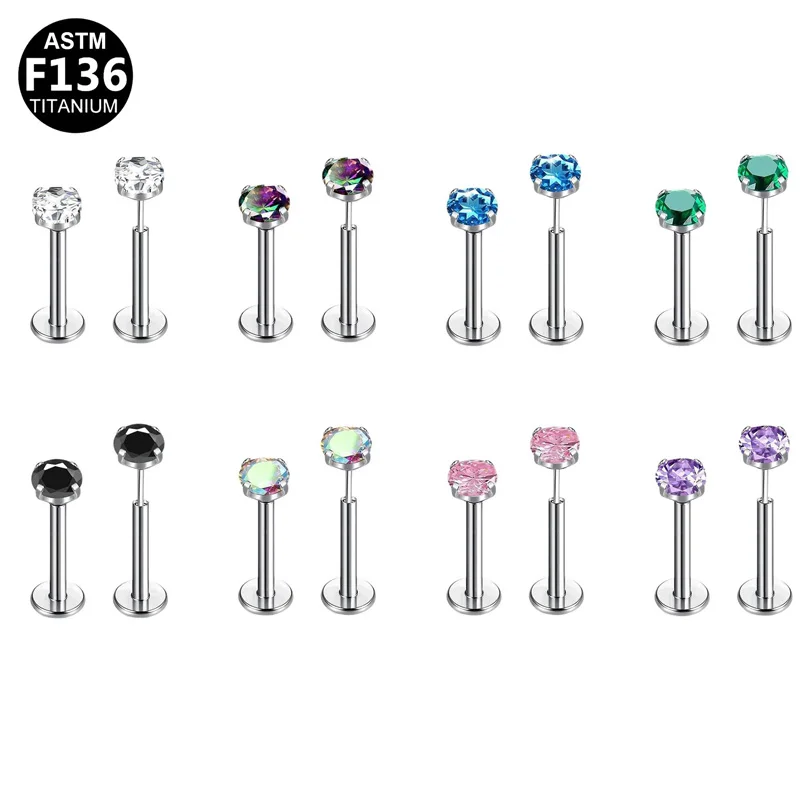
Material choice shapes the whole OEM process. ASTM-F136 titanium piercing jewelry is often selected for professional ranges where buyers want implant-grade titanium options and stable long-term positioning. 316L piercing jewelry can support broad commercial styles and more accessible price points. For premium or giftable edits, buyers may add 14K solid gold piercing jewelry or 925 silver piercing jewelry.
It is better to make these decisions early because material affects tooling, polishing, plating or PVD direction, stone setting, cost structure, sampling time, and reorder planning. A supplier can often suggest an easier production route, but the buyer should still decide where the item sits in the brand’s price ladder and how the material will be described to downstream customers.
Turn Ideas Into Controlled Specifications
The biggest difference between simple sourcing and OEM manufacturing is specification control. A product idea needs to become measurable before it can become repeatable. For piercing jewelry, that may include gauge, bar length, ball size, thread type, push-fit pin tension, charm dimensions, hoop diameter, clicker mechanism, stone size, polish direction, surface finish, and packaging format.
Professional buyers should ask for product drawings, sample notes, material confirmation, and clear photos before approving bulk production. For functional pieces such as labrets, barbells, nose rings, clickers, and belly rings, small dimension changes can affect how the product is listed and sold. For decorative pieces, stone layout, plating tone, and polish quality can decide whether the item feels consistent across a collection.
Use Sampling to Find Production Risk
A sample is not only a preview for marketing photos. It is a risk check. The buyer should test whether the design can be produced cleanly, whether the fit works as expected, whether the decoration is stable enough for the intended product tier, and whether the packaging supports storage and fulfillment. If a piece includes stones, enamel, chains, hinges, threaded parts, or push-fit systems, the sample stage should be treated seriously.
This is where an OEM supplier’s manufacturing experience matters. A factory may suggest adjusting a stone size, simplifying a charm, changing a finish direction, or splitting one idea into two SKUs. Those changes are not always limitations. Often, they make the product easier to produce, easier to inspect, and easier to reorder at a stable quality level.
Connect OEM Work With Private Label Planning
OEM manufacturing often overlaps with branding. If the buyer wants packaging, cards, labels, or collection-specific presentation, those details should be discussed before bulk production begins. The recent PSS guide to private label piercing jewelry planning explains why packaging, sampling, and SKU structure should be developed together instead of treated as separate tasks.
For example, a custom titanium flat back may need a branded card, a barcode sticker, a material note, and a product name that works across future colors. If these details are added late, the buyer may face extra delays or inconsistent retail presentation. When packaging is planned early, the supplier can confirm whether the card, bag, box, or label works with the product’s size and protection needs.
Bulk Production Needs an Approval Trail
Once samples are approved, buyers should keep a clear approval trail. This can include final sample photos, confirmed dimensions, material notes, color references, packaging files, SKU names, and agreed quantities. The approval trail protects both sides because it gives the production team a fixed reference and gives the buyer a clearer basis for inspection when the order is finished.
A practical order plan should separate core repeat items from test items. Core OEM SKUs deserve more careful documentation because they may become long-term replenishment products. Test items can be produced in smaller quantities until the buyer sees market response. This is especially useful for distributors and brand owners who need to manage cash flow while still adding exclusive products to their catalog.
Plan Reorders Before the First Order Ships
The best OEM programs are planned around repeat orders, not only first launches. Buyers should ask how the supplier records specifications, whether materials and finishes can stay consistent, how packaging files are stored, and what information is needed for a fast reorder. The earlier PSS article on evaluating a reliable long-term piercing jewelry supplier is useful here because OEM success depends on communication and follow-through as much as the first sample.
Reorder planning also affects SKU selection. If a buyer creates too many custom items at once, the range may become difficult to replenish. A stronger approach is to build a focused first collection, identify which styles sell consistently, then expand those winners with new stone colors, finishes, lengths, or matching pieces. This creates a cleaner path from concept to repeat revenue.
What to Send an OEM Piercing Jewelry Manufacturer
For a productive inquiry, send product references, target material, size requirements, finish direction, order quantity range, packaging needs, expected sales channel, and launch timeline. If you are comparing OEM and ODM options, the PSS guide to OEM and ODM piercing jewelry factory support can help clarify which parts should be custom-built and which can come from an existing product base.
OEM piercing jewelry manufacturing works best when the buyer and factory share the same definition of success: a product that is attractive, properly specified, realistic to produce, easy to inspect, and ready for repeat supply. If you are planning an OEM piercing jewelry project, contact PSS with your concept, material direction, quantity range, packaging requirements, and target timeline. We can help organize the project into samples, specifications, production steps, and reorder planning.

One thought on “OEM Piercing Jewelry Manufacturing: From Concept to Repeat Orders”