

A strong piercing studio assortment is not built by adding every attractive style in a catalog. For professional studios, distributors, and wholesale buyers, the better question is which products can sell repeatedly, support different customer needs, and remain manageable when it is time to reorder. The right piercing jewelry assortment should make daily service easier, not create a storage wall full of slow-moving sizes and mismatched finishes.
PSS works with B2B buyers who need practical body jewelry supply across core materials, commercial styles, premium edits, and OEM or ODM development. For studios especially, assortment planning should connect material choice, piercing placement, size logic, display presentation, and repeat supply. That is where purchasing becomes a system instead of a series of scattered sample orders.
Start With the Studio’s Daily Piercing Map
Before choosing styles, a studio should map the placements it serves most often: ears, nostril, septum, lip, navel, eyebrow, nipple, and other body placements depending on the studio’s license, market, and staff experience. This does not mean stocking everything equally. It means identifying the placements that drive regular appointments, retail upgrades, and repeat purchases.
A studio with steady ear and nostril work may build around labrets, flat backs, nose rings, hoops, and small decorative tops. A buyer serving broader body jewelry retail may add belly rings, barbells, clickers, and nipple jewelry. Distributors can use the same logic at a larger scale by separating core replenishment styles from seasonal designs and test items.
Choose Materials by Role, Not by Habit
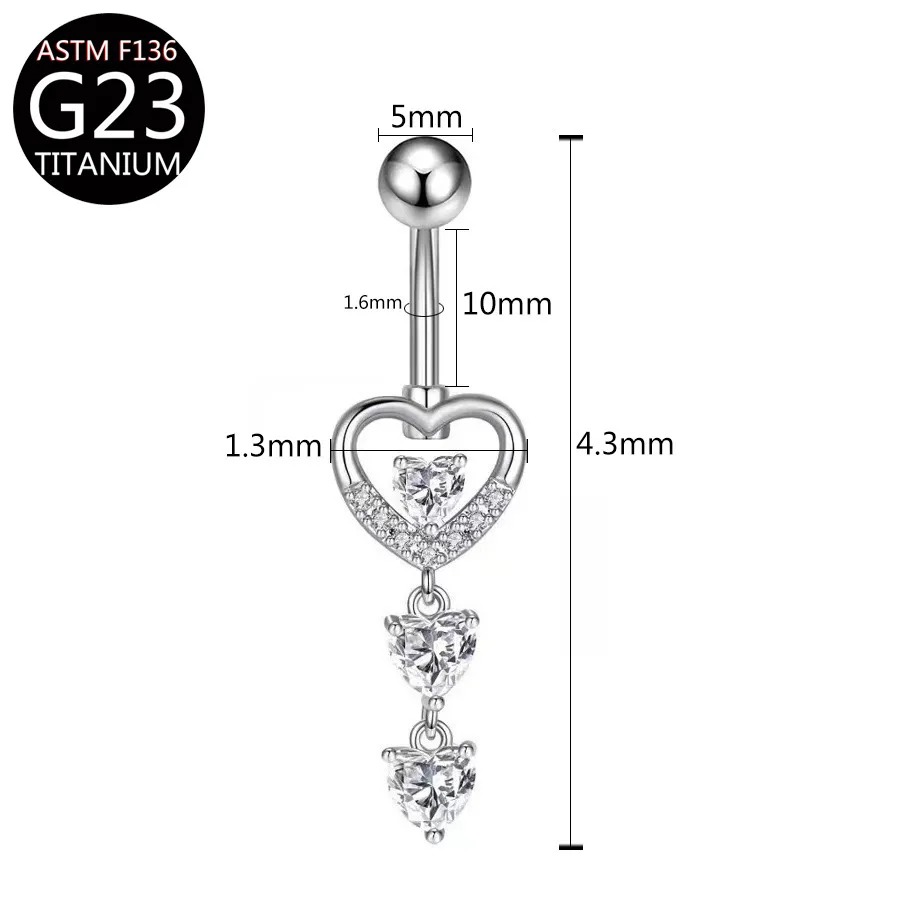
Material planning is one of the most important decisions in a professional assortment. For studio-focused ranges, ASTM-F136 titanium piercing jewelry often works well as a core material because buyers can build a clean, professional product story around long-wear jewelry, precise sizing, and stable restocking. Titanium labrets, barbells, nose rings, and clickers can become the backbone of a higher-trust studio range.
At the same time, 316L piercing jewelry still has a practical place for many wholesale buyers. It can support broader style variety, stronger price accessibility, and commercial retail displays. Buyers building everyday fashion ranges may also include waterproof 316L piercing jewelry for customers who want durable daily-wear pieces in popular finishes. The strongest assortment may use more than one material tier, as long as the product pages and staff explanations stay clear.
Build a Core Before Adding Novelty
Core jewelry should cover the styles that buyers expect to reorder: plain and decorative labrets, small hoops, barbells, septum clickers, belly rings, and simple replacement components. These products are not always the most dramatic in photos, but they keep a studio or wholesale catalog functional. A distributor can treat them as inventory anchors, while a studio can use them to reduce last-minute sourcing pressure.
Novelty styles still matter, especially for social content and retail browsing. The mistake is letting novelty products absorb the entire budget before the core range is stable. A better method is to reserve most purchasing for proven materials, sizes, and silhouettes, then use a smaller portion for seasonal colors, shaped tops, dangles, themed designs, or limited display pieces.
Control Size Complexity Early
Many assortment problems come from uncontrolled size variation. Every additional gauge, length, diameter, ball size, stone size, and finish increases the chance of slow stock, receiving errors, or reorder confusion. Buyers should decide which specifications are truly needed for their channel and keep those specifications consistent across similar products.
For example, a labret range may need a focused set of post lengths and top sizes rather than every possible option. A hoop range may need a clear diameter ladder. A barbell range should separate navel, industrial, nipple, and eyebrow requirements instead of mixing them under vague product names. The PSS guide to building a reliable titanium labret collection is useful when buyers want to turn one product family into a repeatable studio category.
Use Premium Materials Strategically
Premium materials should be planned with margin, presentation, and customer expectation in mind. 14K solid gold piercing jewelry can support a higher-ticket edit for studios and boutiques, especially when the range is curated around wearable shapes, stone settings, and giftable display. It does not need to replace the core titanium or 316L range; it can sit above it as an upgrade path.
925 silver piercing jewelry can also work well for giftable retail collections and visually delicate styles. Buyers should keep material positioning clear and avoid mixing premium and entry-level products in a way that confuses staff or customers. A premium edit performs best when the display, product descriptions, and replenishment plan are all aligned.
Plan Reorders Before the First Order Ships
A good assortment is easy to reorder. Buyers should record SKU names, material, gauge, length, diameter, color, setting, finish, packaging, and photo references from the beginning. This is especially important for studios that want staff to reorder without rebuilding the whole buying decision each time. It also helps distributors protect product pages and avoid replacing best sellers with nearly similar but inconsistent substitutes.
Quality control should be connected to this reorder system. The recent PSS guide on quality control points for wholesale piercing jewelry orders explains why dimensions, finish, closures, stone setting, packaging, and SKU separation should be checked before shipment. Those details are not only about the first order; they protect future restocks.
Decide When OEM or ODM Makes Sense
Not every studio assortment needs custom development. Many buyers should begin with proven wholesale styles, then use OEM or ODM only when there is a clear business reason: a private-label collection, exclusive decorative tops, custom packaging, a consistent premium edit, or a regional distributor range. ODM can be useful when the buyer wants factory-developed styles with lower development risk. OEM makes sense when the buyer has a clearer concept and needs sampling, adjustment, and repeat production.
Buyers planning custom or private-label ranges can review the PSS articles on OEM piercing jewelry manufacturing, ODM body jewelry supply, and private label piercing jewelry planning. These guides help connect product range decisions with sampling, packaging, and reorder management.
Turn the Assortment Into a Buying System
The best studio assortments are focused, not random. They cover the placements customers ask for most often, use materials that fit the studio’s positioning, keep sizes organized, reserve budget for premium upgrades, and make reorders simple. Buyers should review sales data, staff feedback, and slow-moving stock every few months so the range becomes cleaner over time.
If you are planning a core piercing jewelry assortment for a studio, distributor catalog, or private-label range, contact PSS with your target materials, product families, size requirements, and packaging needs. We can help organize a practical wholesale sourcing plan across titanium, 316L, waterproof 316L, 14K gold, 925 silver, OEM, ODM, and repeat supply programs.
