

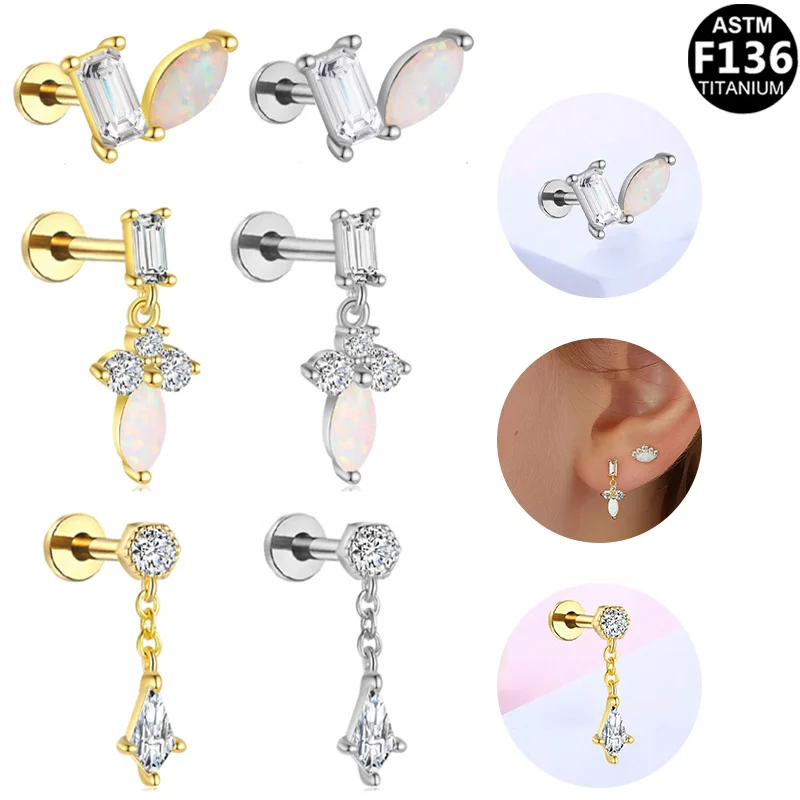
ASTM-F136 titanium piercing jewelry has become one of the most important product categories for professional studios, distributors, and wholesale buyers. The reason is simple: buyers need jewelry that looks refined, supports repeat purchasing, and gives their own customers more confidence in long-term wear. For a B2B buyer, the material choice is not only a product detail. It affects positioning, reorder stability, and how easily a collection can be sold to studios or retail customers.
At PSS, titanium is the leading category because many professional buyers now want a cleaner material story, stronger product consistency, and more flexible supply for core piercing styles. This guide explains what buyers should evaluate before building or expanding an ASTM-F136 titanium line.
Why ASTM-F136 Titanium Matters in B2B Sourcing
Wholesale buyers often compare products first by shape, stone, color, and price. Those details matter, but material is usually the foundation of a reliable product line. ASTM-F136 titanium is widely used for professional body jewelry because it is lightweight, corrosion resistant, and suitable for long-wear applications. For studios, this helps support a more premium jewelry offer. For distributors, it creates a category that is easier to present as professional rather than purely decorative.
The strongest buying opportunity is not one single design. It is a complete titanium assortment that buyers can reorder again and again: labrets, nose rings, belly rings, septum clickers, barbells, and cartilage earrings. A supplier should be able to support that range with stable finishing, consistent sizing, and clear product organization.
Start With the Core Shapes Buyers Reorder Most
A good titanium collection should begin with practical, high-frequency products. For most B2B buyers, the first group usually includes titanium threadless labrets, titanium nose rings, septum clickers, belly rings, and titanium barbell styles. These products cover common studio demand and make it easier for buyers to test market response before expanding into more decorative designs.
When selecting the first assortment, buyers should avoid choosing only highly unusual styles. A balanced catalog normally includes clean basics, best-selling stone settings, a few statement designs, and seasonal color options. This makes the collection easier to sell across different studio and reseller customer groups.
Check More Than the Product Photo
In piercing jewelry sourcing, product photos can be attractive while the details still need careful checking. Wholesale buyers should look at surface finish, stone setting, thread quality, post length, gauge, color consistency, and packaging readiness. For repeat orders, the most important question is whether the supplier can reproduce the same standard after the first shipment.
This is especially important when buyers plan to build a private label range or supply multiple studios. A collection may sell well at first, but if the second or third order looks different, the buyer loses confidence. That is why factory-backed supply and clear specification control matter more than a low first quote.
How Titanium Fits With 316L and Gold Categories
Titanium does not need to replace every other material. Many successful wholesale catalogs use titanium as the professional core, then add 316L piercing jewelry for broader commercial styles and 14K solid gold piercing jewelry for premium demand. This structure gives buyers a clearer product ladder: professional core, volume range, and higher-value collection.
For a studio buyer, titanium can support trust and everyday professional use. For a distributor, titanium can become a stable anchor category that brings repeat orders. For a brand owner, it can help build a more credible product story around quality, material, and long-term supply.
What to Ask a Titanium Piercing Jewelry Supplier
Before placing a bulk order, buyers should ask practical questions. What styles are available for repeat supply? Can the supplier support OEM or ODM development? Are product specifications clear? Can the same finish and sizing be maintained in future batches? Can the supplier help organize the range by material, body placement, and selling scenario?
Good answers to these questions reduce sourcing risk. They also help buyers prepare better product pages, catalogs, and inquiries for their own customers. In B2B jewelry supply, the best partner is not simply the one with the largest number of SKUs. It is the one that can help buyers keep a stable, understandable, and reorderable product system.
Build for Reorders, Not Only First Orders
Many buyers focus heavily on the first order, but long-term value comes from repeat purchasing. A strong ASTM-F136 titanium collection should make it easy for buyers to reorder popular shapes, refresh colors, add new stone settings, and keep their catalog consistent. That is where stable supply becomes part of the product value.
PSS supplies ASTM-F136 titanium piercing jewelry for professional buyers who need clear product categories, practical sourcing support, and factory-backed cooperation. If you are planning a titanium range for your studio, store, or distribution business, you can browse our wholesale piercing jewelry collections or contact us for sourcing support.

3 thoughts on “ASTM-F136 Titanium Piercing Jewelry: What Wholesale Buyers Should Know”
Thank you for reading and for your interest in titanium piercing jewelry. If you have any questions about materials, quality, or wholesale options, please feel free to contact us anytime.